
Introduction to Chef Knives

A chef knife, often regarded as the workhorse of the kitchen, plays a vital role in daily meal preparation. This essential tool is designed to handle a variety of tasks, from chopping vegetables to slicing meat, rendering it indispensable for both amateur cooks and professional chefs. Understanding the significance of a high-quality chef knife can greatly enhance one’s culinary experience and productivity in the kitchen.
Typically, chef knives feature a blade length ranging from 8 to 10 inches, which strikes a balance between control and versatility. The blade is generally broad, allowing for easy rocking motions while chopping, which facilitates an efficient cutting technique. The material from which a chef knife is crafted also contributes to its functionality; high-carbon stainless steel is favored for its ability to maintain sharpness, resist corrosion, and enable ease of sharpening. Additionally, some knives may incorporate different materials for aesthetics and comfort, such as ergonomic handles made from wood or synthetic composites.

- PROFESSIONAL CHEF’S KNIFE: This chef’s knife is suitable for cutting bread, vegetables, fillets or meats. This sharp kni…
- MULTI-FUNCTIONAL KNIFE: This professional 8” chef’s knife can easily handle your daily kitchen tasks of chopping, slici…
- ULTRA-SHARP EDGE: Sharpness is the most important feature for a cutting knife and we reached the great results in provid…
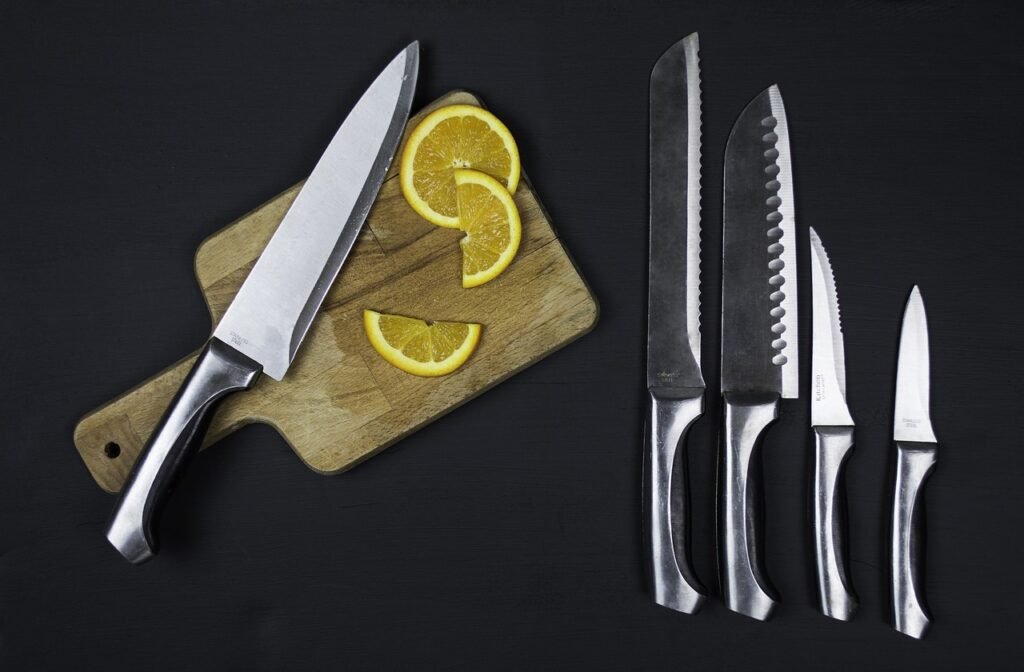
The design of a chef knife varies considerably, distinguishing it from other kitchen knives. While utility knives and paring knives serve specific, limited purposes, the chef knife is conceived for a wide array of tasks, making it the most versatile piece in any kitchen arsenal. Its versatility and robustness allow it to excel in intricacies from dicing onions to filleting fish, catering to a range of culinary techniques.
In summary, investing in a high-quality chef knife is essential for anyone who regularly engages in meal preparation. Its distinctive features and multifaceted design make it the premier choice for executing various cutting tasks efficiently and effectively.
Who Can Benefit from a Chef Knife
A chef knife is an indispensable tool that caters to a diverse range of culinary enthusiasts, from home cooks to professional chefs. Each segment of this audience stands to gain significantly from utilizing a high-quality chef knife in their kitchen.
Home cooks often find that a reliable chef knife greatly enhances their meal preparation experience. This versatile tool not only simplifies tasks such as slicing, dicing, and chopping but also instills confidence in the kitchen. When equipped with a sharp, well-balanced knife, home cooks can execute culinary techniques with precision. As a result, they are likely to experiment with new recipes and ingredients, elevating their cooking skills.
Culinary students, on the other hand, benefit from a dependable chef knife as a foundation for their training. During their education, students are taught various knife skills, and having their own chef knife allows them to practice techniques in a consistent and controlled manner. A quality knife serves as a reliable companion throughout their culinary journey, reinforcing the importance of investing in a well-crafted tool. Furthermore, transitioning from classroom to professional kitchen becomes smoother when students are familiar with their knife, enhancing their overall confidence.
In essence, chef knives stand out as versatile tools capable of meeting the needs of various culinary audiences, making them an essential investment for anyone serious about enhancing their cooking experience.
Key Features to Look for in a Chef Knife
Professional chefs require top-notch tools that can keep up with demanding kitchen environments. A chef knife, often referred to as the workhorse of any kitchen, enables chefs to perform efficiently without sacrificing quality. With the ability to handle a wide spectrum of tasks, from butchering meats to finely chopping herbs, chef knives play a critical role in streamlining culinary workflows. The reliability and performance of a chef knife cannot be overstated in a professional setting, and its presence significantly boosts kitchen productivity.
When selecting a chef knife for daily preparation, several key features must be considered to ensure optimal usability and performance. One of the most critical aspects is the blade material. Chef knives are typically made from stainless steel or carbon steel. Stainless steel offers resistance to rust and corrosion but may require more frequent sharpening. In contrast, carbon steel provides excellent edge retention and sharpness but is more vulnerable to staining if not properly maintained.
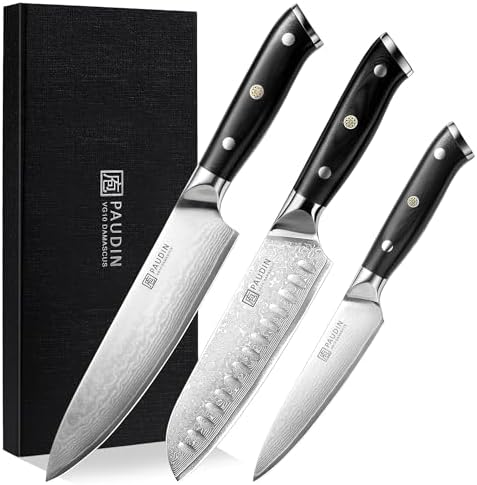
- MULTIPURPOSE KNIFE SET: Damascus chef knife can effortlessly handle tasks like chopping, slicing, dicing, mincing of mea…
- 67-LAYER DAMASCUS STEEL: PAUDIN kitchen knife set is expertly forged from 67 layers steel plates with a VG10 Japanese st…
- ULTRA SHARP BLADE: Craftsmen hand sharpen the edge of Japanese chef knife to 15° on each side, the V-shaped blade cuts s…

- Blade Material: Damascus steel, known for its exceptional durability and sharpness, ensures precise cuts.
- Handle Construction: Full tang design with clear resin and printed internal NEON, providing a comfortable and secure gri…
- Vibrant Design: Neon accents add a bold and eye-catching touch to the knife’s appearance.
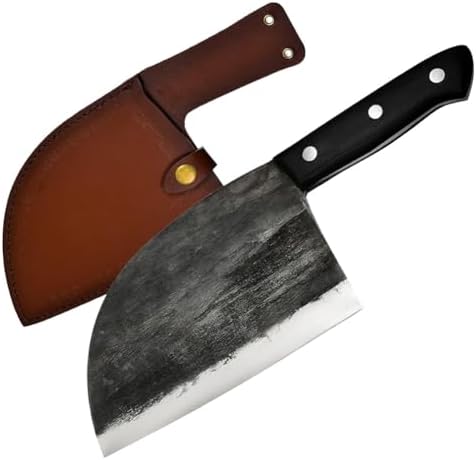
- Full Tang Ergonomic Handle
- Razor Sharp
- Non-stick Handle Knives
Another important factor is handle ergonomics. A comfortable grip is essential for prolonged use, as it can significantly affect the user’s control over the knife. Chef knives come with different handle materials, such as wood, plastic, or metal. A handle that is too heavy or too light can disrupt the balance of the knife, making it difficult to maneuver, especially during intricate tasks.
Weight and balance are also fundamental characteristics to consider. A well-balanced knife promotes precision and minimizes fatigue during extensive chopping or slicing sessions. Generally, a chef knife that weighs between 6 to 12 ounces is deemed appropriate for versatile home kitchen use. However, personal preference plays a vital role in determining the ideal weight and balance of the knife.
Blade length is another element that impacts performance. Chef knives are commonly available in lengths ranging from 6 to 12 inches. A longer blade offers more cutting surface, suitable for larger food items, while a shorter blade provides enhanced control for detailed tasks. Furthermore, the maintenance needs of the knife should not be overlooked. Ease of cleaning and sharpening can significantly affect the knife’s longevity and ongoing functionality.
Top Picks for Chef Knives
Choosing the right chef knife can significantly enhance your cooking experience. Below, we present a selection of highly recommended chef knives that cater to various preferences with respect to price, performance, and user reviews. Each model has been examined carefully to highlight its best features.
1. Wüsthof Classic 8-Inch Chef’s Knife
This German-made knife is a favorite among both professional and home chefs. The Wüsthof Classic features a full-tang, high-carbon stainless steel blade, providing excellent balance and precision. Users appreciate its comfortable handle and exceptional sharpness that lasts, making it an ideal everyday choice. Its price point is on the higher side, but the craftsmanship and durability ensure it is an investment worth making.

- VIBRANT DESIGN – Add a cheerful pop of colour to your kitchen with the eye-catching Wild Blueberry handle.
- VERSATILE BLADE – Ideal for peeling, trimming, and mincing small ingredients like shallots, onions and herbs. Perfect co…
- GERMAN ENGINEERING – Made in Solingen, Germany. Fully forged from high-grade X50 Cr MoV 15 steel for exceptional sharpne…
2. Victorinox Fibrox Pro 8-Inch Chef’s Knife
Known for its exceptional value, the Victorinox Fibrox Pro is frequently recommended for those on a budget. This knife is lightweight yet sturdy, with a comfortable non-slip handle that allows for easy handling during extended use. Its stainless steel blade is designed for precise cutting and is compatible with various kitchen tasks. Positive user reviews highlight its affordability without compromising quality, making it an excellent entry-level option.
3. Shun Classic 8-Inch Chef’s Knife
For those interested in a more premium option, the Shun Classic knife merges traditional Japanese craftsmanship with modern technology. The VG-MAX steel used in its construction ensures prolonged sharpness and edge retention. It features a Damascus-clad design that isn’t just visually appealing but also capable of precise and delicate cuts. Although it is priced higher, the performance and aesthetics might justify the investment for culinary enthusiasts.
Each of these knives has unique strengths, catering to a wide range of culinary needs and preferences. By considering the features and user feedback outlined, you will be better equipped to select the chef knife that best suits your daily kitchen prep requirements.
Comparing the Best Chef Knives
When selecting the ideal chef knife, it is essential to assess and compare the best options available in the market. This comparison enables a deeper understanding of each knife’s pros and cons, helping chefs and home cooks make informed decisions. The following knives have been carefully evaluated based on their features, usability, and customer feedback.


1. Wüsthof Classic 8-Inch Chef Knife: This knife is renowned for its high-quality craftsmanship and durability. The precision-forged blade offers excellent cutting performance and is easy to maintain. Users appreciate the comfortable handle, which provides a secure grip. However, its price point may be a drawback for some, making it an investment rather than a budget option.
2. Victorinox Fibrox Pro Chef Knife: The Victorinox Fibrox Pro is a highly regarded choice among professional chefs and home cooks alike. Its lightweight design and ergonomic handle enable ease of use, while the stainless steel blade ensures exceptional sharpness. The major advantage here is its affordability, but some users may prefer a heftier knife for robust cutting tasks.
3. Shun Classic 8-Inch Chef Knife: This knife stands out for its stunning design and high-performance blade made from high-carbon stainless steel. Its double-bevel edge offers precision slicing, making it ideal for intricate work. A disadvantage is its elevated price, and some users may find the traditional Japanese handle style less comfortable compared to Western designs.
4. Mercer Culinary Millennia Chef Knife: With an affordable price tag, the Mercer Culinary Millennia is excellent for culinary students or beginner cooks. Its balanced weight and durable blade make it suitable for various tasks. However, it may not offer the longevity of more expensive knives, leading to a potential need for replacement after frequent use.


By examining these options, individuals can identify the best chef knife that aligns with their cooking needs and budget. Each knife has unique attributes, making them suitable for different culinary environments. Assessing individual requirements, preferences, and intended uses remains crucial when making a final choice.
Maintenance Tips for Chef Knives
Maintaining a chef knife is crucial for ensuring its longevity and optimal performance in the kitchen. With proper care, a quality chef knife can serve as a reliable culinary tool for years. One of the primary aspects of knife maintenance is proper sharpening. Regular sharpening keeps the blade’s edge precise and effective. There are various methods to sharpen a knife, including whetstones, honing rods, and electric sharpeners. Whetstones, while requiring some skill, are often preferred by professionals due to the control they provide. When sharpening, always ensure you’re using the correct angle, typically around 15 to 20 degrees, to maintain the blade’s integrity.
Another critical aspect of knife care involves washing methods. It is advisable to hand wash chef knives with warm water and mild detergent instead of placing them in a dishwasher. Dishwashers can be harsh on knife blades and may cause premature wear. After washing, dry the knife immediately with a soft cloth to prevent moisture accumulation, which can lead to rusting, particularly in steel blades.
In terms of storage, the method you choose directly impacts the blade’s condition. A knife block is an ideal option as it keeps blades separate and protected. Alternatively, magnetic strips are also effective in displaying and storing knives while ensuring safety and accessibility. Avoid storing knives in drawers where they might clatter against other utensils, leading to dulling of the blade’s edge.
By adhering to these maintenance tips—proper sharpening techniques, careful washing methods, and effective storage options—you can significantly extend the life of your chef knife and enhance its performance. A well-maintained knife not only improves your chopping precision but also makes cooking a more enjoyable experience.
Common Mistakes to Avoid with Chef Knives
When it comes to preparing meals, a chef knife is an indispensable tool in any kitchen. However, many users often fall prey to common mistakes that can hinder their efficiency and safety while using this knife. Understanding these pitfalls can enhance your confidence and proficiency in utilizing your chef knife.
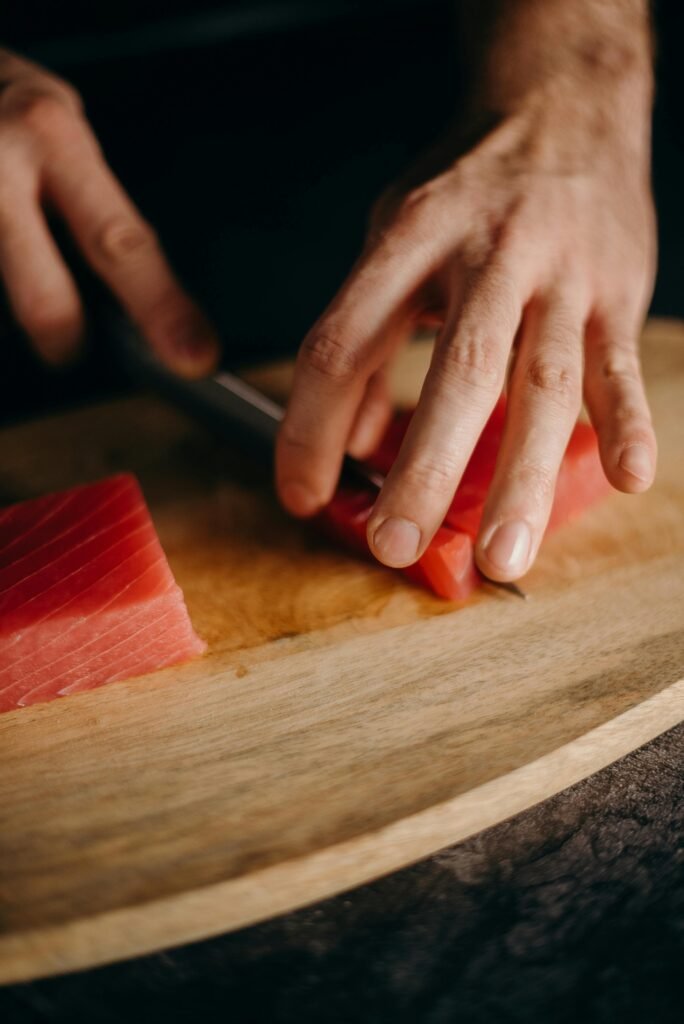
Improper cleaning methods are another significant mistake. Some individuals may be unaware that chef knives require special care when cleaning. Using a dishwasher or abrasive sponges can damage the blade’s edge and finish. Instead, it is advisable to wash the knife by hand with mild soap and water, then dry it immediately to prevent corrosion. Knowing how to maintain your knife’s condition is key to ensuring its longevity and effectiveness.
Furthermore, there are several misconceptions about knife usage. Many believe that any chef knife can handle all types of food, which is not accurate. Each knife is designed for specific tasks, and using the wrong type of knife may lead to poor outcomes or potential damage. Educating oneself about the various features and intended purposes of different chef knives can greatly enhance culinary skills.
Avoiding these common mistakes can lead to improved knife handling, better food preparation, and increased safety in the kitchen. Educating oneself on proper techniques and maintenance will ensure that your chef knife remains an invaluable asset for years to come.
Conclusion: Why Investing in a Quality Chef Knife Matters
Choosing the right chef knife is an essential decision for anyone who enjoys cooking, as it serves as the cornerstone of one’s culinary toolkit. The significance of investing in a quality chef knife cannot be overstated, given its impact on both efficiency and safety in the kitchen. A well-crafted knife enhances the overall cooking experience, enabling users to perform tasks with precision and ease. By opting for a high-quality chef knife, one can ensure that they possess a reliable tool that offers durability and superior performance.
Throughout this guide, several key factors have been highlighted, including materials, blade types, and handle ergonomics. The importance of selecting a knife that fits comfortably within the user’s hand cannot be overlooked; a comfortable grip is vital for effective use, particularly during prolonged preparation tasks. Furthermore, the choice of blade material—be it stainless steel, carbon steel, or ceramic—plays a crucial role in determining longevity and ease of maintenance.
In summary, investing in a chef knife that aligns with one’s individual cooking style and preferences can significantly improve everyday meal preparation. It is advisable for readers to conduct thorough research and test out various options before making a final decision. Exploring the different features and benefits of available knives will empower home cooks to select an ideal chef knife that meets their specific needs. Such an investment will not only elevate culinary efficiency but will also enhance the joy of cooking, making it a rewarding endeavor in everyday life.
Personal Experiences and Testimonials
In the world of culinary arts, the choice of a chef knife can profoundly impact both the cooking process and the finished dish. Many chefs emphasize the importance of selecting a dependable knife that aligns with their cooking habits. For instance, Chef Maria Simmons, a professional caterer based in Chicago, notes, “Since I switched to a high-quality chef knife, my efficiency in the kitchen has increased tremendously. The balance and sharpness allow me to work through a variety of ingredients without fatigue. It truly has become an extension of my hand.”
Similarly, home cook John Stokes shares his transformation since acquiring a specific chef knife renowned for its precision. He says, “I was intimidated in the kitchen for years, but using a knife that feels right has changed my entire approach to cooking. I find I spend more time experimenting with dishes and less time struggling with equipment that doesn’t work for me. It makes all the difference during meal prep.”
Another compelling story comes from professional chef Amy Chan, who states, “My first experience with a well-crafted chef knife was a revelation. The sharpness and durability meant I could trust my knife to perform, whether I was mincing garlic or filleting fish. It’s essential to invest in a knife that not only lasts but enhances your skills, no matter your proficiency level.”
These testimonials underscore a collective belief among cooks and chefs: the right chef knife is a vital investment for any kitchen enthusiast. The effectiveness of a quality knife, as highlighted in these personal experiences, fosters not just skill improvement, but also enhances the joy of cooking. Such firsthand accounts further affirm the importance of choosing the best chef knife for daily preparation, ensuring it meets the demands of both home kitchens and professional settings.